


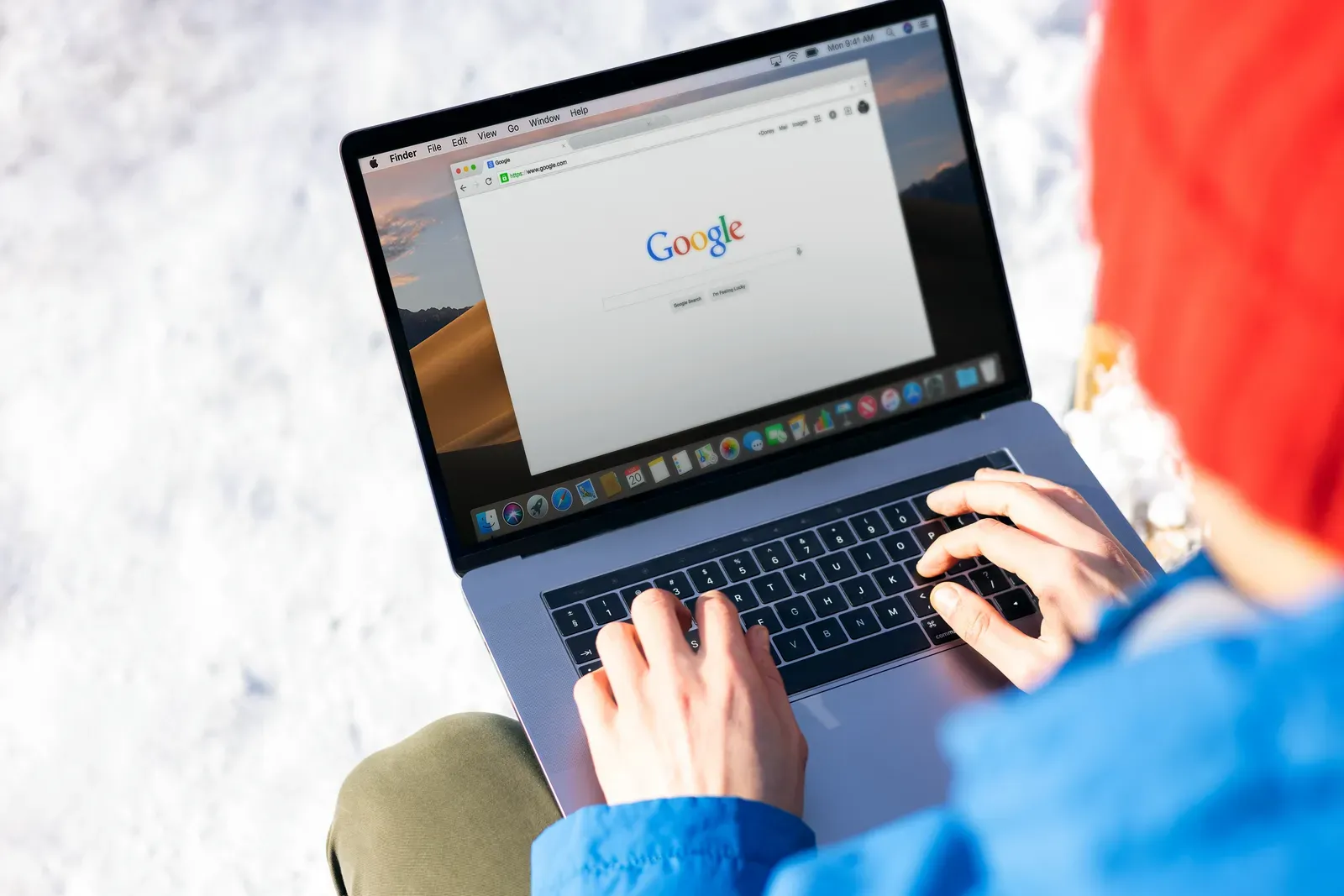
Businesses looking to grow online often find themselves asking the same question: should we invest in SEO or Google Ads? Both are proven digital marketing tools
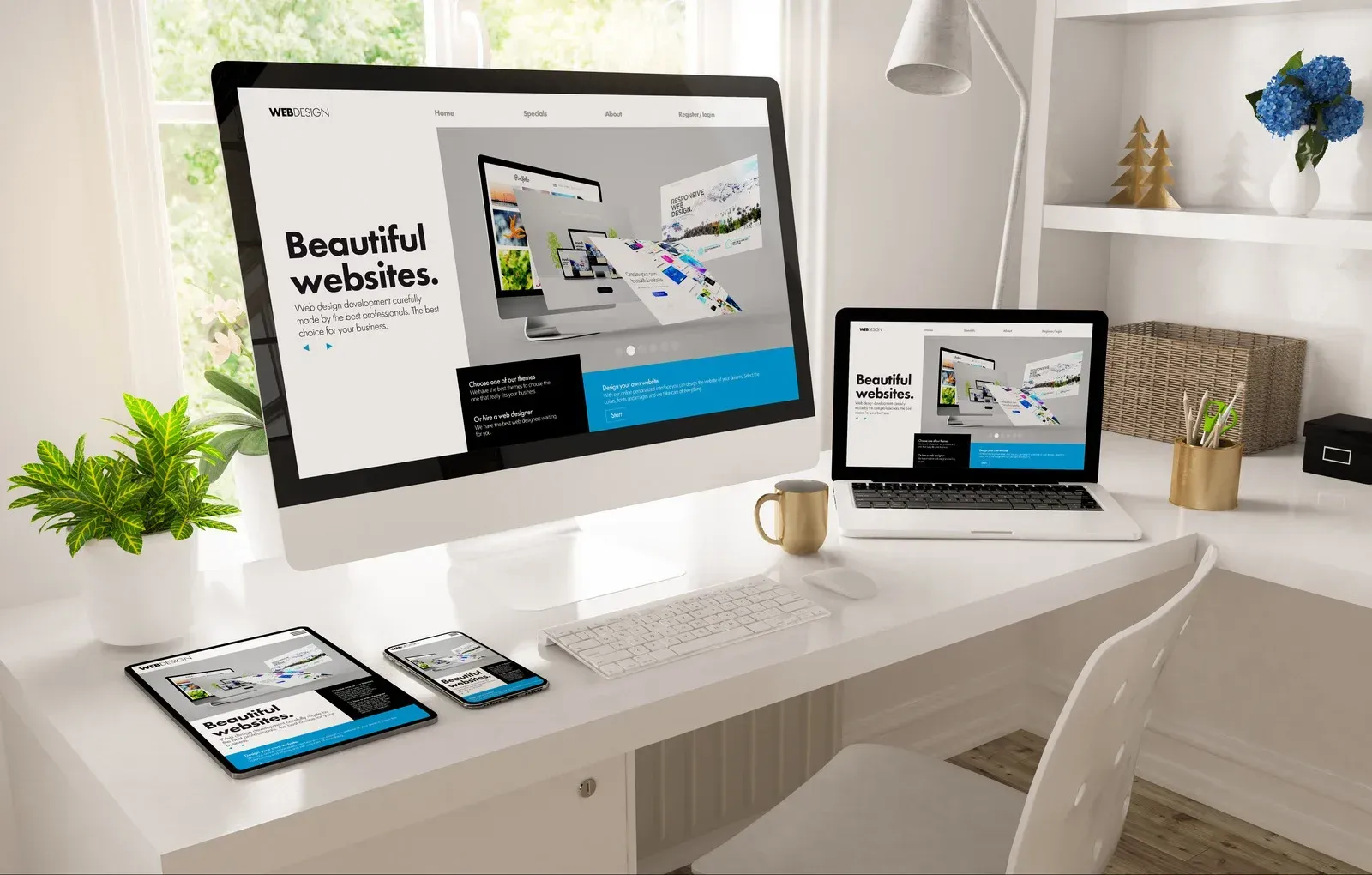
Your website is your digital storefront. It’s where first impressions are formed, trust is built, and decisions are made. But here’s the reality many businesses discover too late
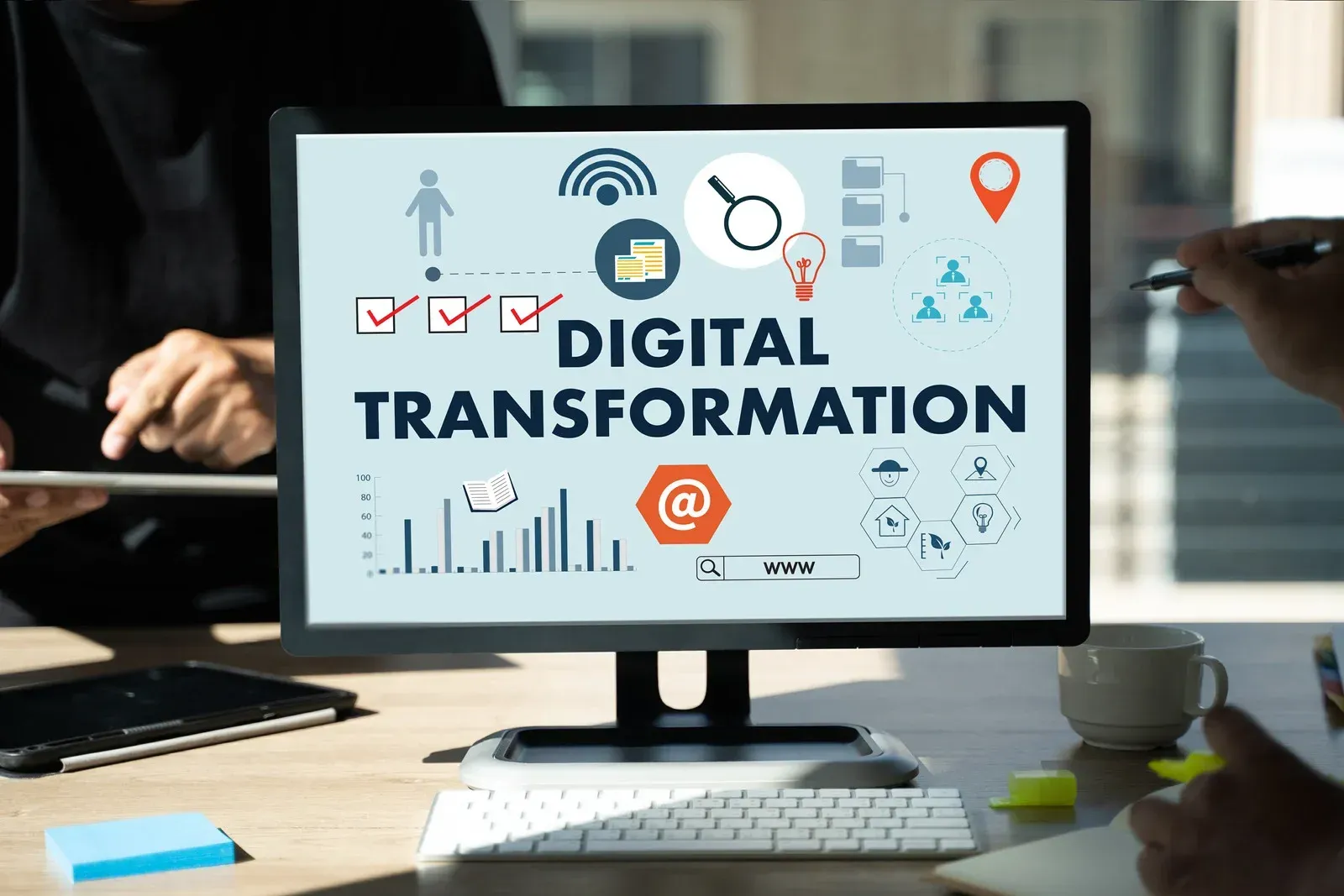
Digital marketing plays a critical role in how modern businesses grow, attract customers, and stay competitive. Yet despite investing time and budget into online efforts

In today’s fast-paced digital world, an online presence is no longer optional—it’s essential. Customers rely on search engines, websites, and content to decide which businesses they trust
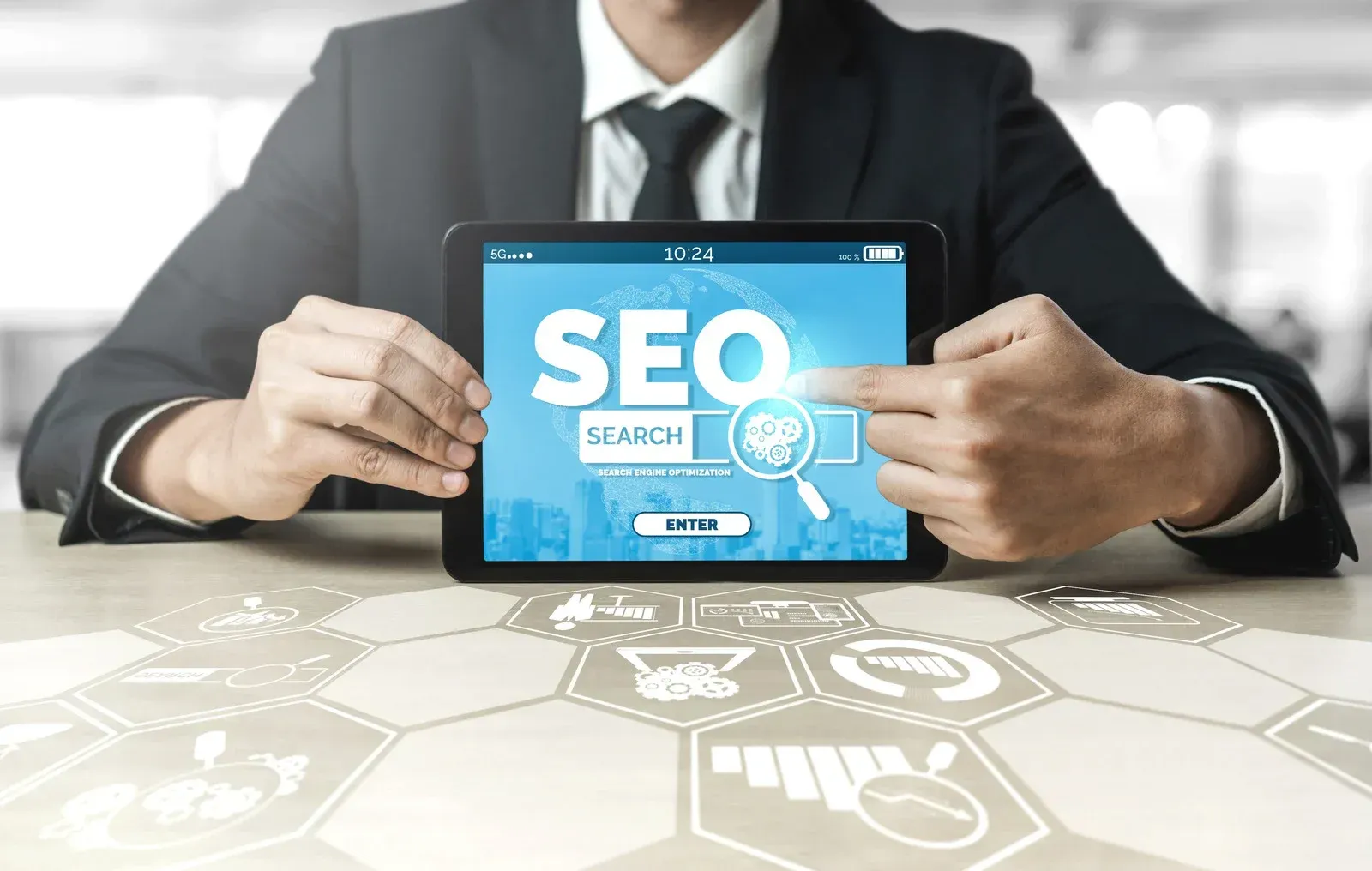
Most businesses invest in SEO with one clear expectation: growth. They want more visibility, more leads, and ultimately more revenue.
Google Search Ads are powerful—high intent, measurable, and capable of generating consistent leads when structured well. But even the best-performing campaigns eventually slow down.

Google’s algorithm updates always bring uncertainty, but the businesses that survive—and often benefit—are the ones that prepare early. With every core update, Google moves closer to rewarding authenticity
Most business owners have spent years hearing the same advice: “Make your website mobile-friendly or you’ll lose rankings.” When Google shifted to mobile-first indexing

Seasonal demand spikes are predictable opportunities—yet most businesses still fail to capitalize on them through Google Business Profile (GBP) posts.

Local service businesses thrive on trust, and in today’s digital-first world, customers want proof before they commit.
Businesses looking to grow online often find themselves asking the same question: should we invest in SEO or Google Ads? Both are proven digital marketing tools
Your website is your digital storefront. It’s where first impressions are formed, trust is built, and decisions are made. But here’s the reality many businesses discover too late
Digital marketing plays a critical role in how modern businesses grow, attract customers, and stay competitive. Yet despite investing time and budget into online efforts
In today’s fast-paced digital world, an online presence is no longer optional—it’s essential. Customers rely on search engines, websites, and content to decide which businesses they trust
Most businesses invest in SEO with one clear expectation: growth. They want more visibility, more leads, and ultimately more revenue.
Google Search Ads are powerful—high intent, measurable, and capable of generating consistent leads when structured well. But even the best-performing campaigns eventually slow down.
Google’s algorithm updates always bring uncertainty, but the businesses that survive—and often benefit—are the ones that prepare early. With every core update, Google moves closer to rewarding authenticity
Most business owners have spent years hearing the same advice: “Make your website mobile-friendly or you’ll lose rankings.” When Google shifted to mobile-first indexing
Seasonal demand spikes are predictable opportunities—yet most businesses still fail to capitalize on them through Google Business Profile (GBP) posts.
Local service businesses thrive on trust, and in today’s digital-first world, customers want proof before they commit.